Loading Banalo Business...
Launch an athleisure brand without leggings that go sheer at the squat.
Most first-time activewear founders lose customers to leggings that go see-through under stretch, a sports bra with pads that shift after one wash, and a yarn blend that pills within a month. This is built to close all three before they cost you repeat customers.
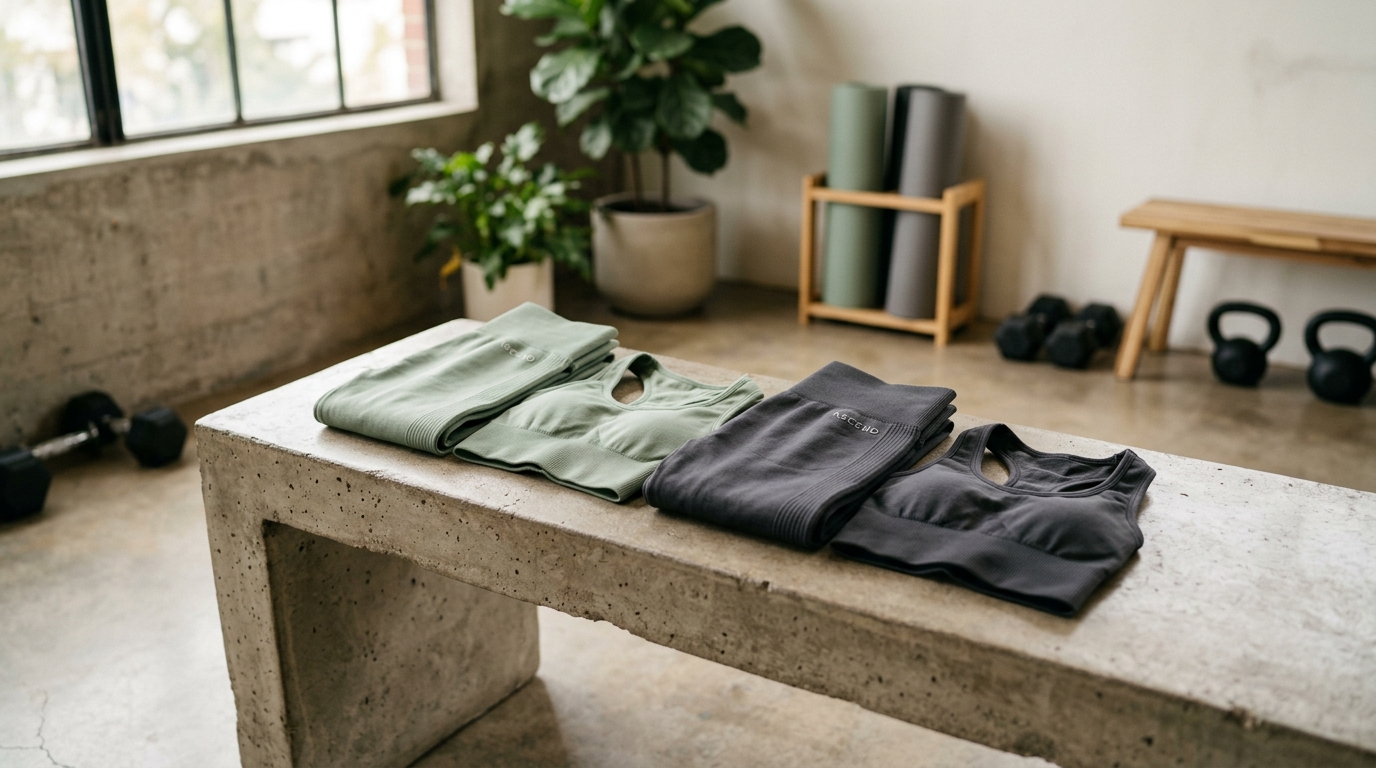
What it actually does
Here is what that actually looks like, piece by piece.
Design
It specs the fabric with you, not after you
Describe the compression level and feel you want, buttery-soft, squat-proof, and it turns that into an actual spec: yarn composition like a 75/25 nylon spandex blend, seam construction, compression grade. It flags where a blend will go sheer under stretch before you commit to a bulk order.
Suppliers
Know what to ask a mill before you pick one
It helps you write the tech pack, decide whether you need a seamless knitter or a cut-and-sew factory, in activewear hubs like Taiwan, Vietnam, Sri Lanka or India, and know the MOQs, lead times and fabric tests to ask for, along with grip-print and label options, so you can tell a fair quote from an inflated one. A verified activewear supplier directory is coming soon.
Plan Mode
Tell it your budget, it builds the plan
Say what you actually have to spend, and Plan Mode lays out where it should go: fabric, seamless construction, pads and hardware, your first production run. You see the reasoning behind every line, not just a total.
Economics
You know your cost per piece before you commit
Fabric, seamless construction, pads, trims and packaging are all modeled before you place an order. Brands in this category typically land around 72 to 82 percent gross margin, and you know your number on paper before the bulk order goes in, not after.
From idea to shelf
Here is what actually happens, in order, from a fit idea to a piece you can sell.
Design
You start with a compression feel and a fit, not a fabric spec. It turns that into an actual yarn composition and seam construction, and flags anything that will go sheer or lose shape before you commit.
Source
Once the spec is close to final, it helps you brief seamless and compression fabric mills with a clear tech pack, and tells you the realistic MOQs and lead times to expect.
Plan
Tell it what you can spend. Plan Mode turns that into a real launch budget split across fabric, construction, trims and your first production run, so you are not guessing where the money goes.
Launch
Order a fit sample, run a squat and stretch test, and move into your first production run with a mill that has your fabric spec on file.
What a first order actually costs
Say you are launching a squat-proof legging in a 75/25 nylon spandex blend. A first run of around 150 sets, fabric, seamless construction, waistband and label included, typically lands somewhere between $5 and $8 in landed cost per unit, depending on the compression grade and finishing. Brands in this category typically price that same legging between $25 and $40, which is where the 72 to 82 percent gross margin actually comes from.
Plan Mode runs this math for your specific fabric spec before you spend on inventory.
Ask it anything, really
These are real questions founders ask before their first batch, not a demo script.
“What yarn composition gives that buttery-soft, squat-proof finish (e.g. 75/25 Nylon Spandex)?”
“Sourcing natural cork and tree-rubber eco-friendly yoga mats at a low first-order minimum”
“How to calculate cost per piece for high-compression sports bras with removable pads?”
“What are the best silicon grip prints and heat-transfer label suppliers?”
Frequently Asked Questions
The fabric spec is the starting point. It also helps you brief and compare seamless and compression fabric mills, builds a full launch plan around your budget in Plan Mode, and models your cost per piece and margin before you commit to a bulk order. A verified activewear supplier directory is coming soon.
That is exactly what Plan Mode is for. Tell it what you have to spend, and it builds a launch plan across fabric, construction, trims and your first production run, so you know where every part of it goes before you spend it.
Most first runs start around 150 sets per style and colorway. Seamless knit construction sometimes needs a slightly larger run than cut-and-sew to make tooling worthwhile.
Around 4 to 5 weeks once the fabric spec and fit sample are approved. Yarn sourcing and seamless knitting happen first, then finishing, printing and trims.
A higher spandex percentage combined with the right knit density is what prevents see-through under stretch, commonly a 75/25 or 80/20 nylon or polyester spandex blend for compression leggings. This is specified and checked against your compression target before production, not guessed at.
Yes. It compares recycled polyester and other sustainable yarns with standard blends, and tells you which certifications to ask a mill for, so the material is chosen for what you actually want to claim on the label.
Brands in this category typically land around 72 to 82 percent gross margin at D2C pricing, once fabric, construction, trims and packaging are all accounted for. The unit economics tool models this for your specific spec before you order.
Activewear generally does not require the specialized licensing that cosmetics or food do, though most markets, including the US and the EU, require accurate fiber composition and care labeling, and country-of-origin rules vary. It is worth confirming with your mill what labeling they can supply for retail sale.
Come with a fit idea, or just a budget
Either way, you will leave with a real fabric spec, a clear mill brief, and a margin you can trust.