Loading Banalo Business...
Launch an eyewear brand without a lens that fails UV testing.
Most first-time eyewear founders lose a batch to acetate frames that were never actually cellulose acetate, polarized lenses that turn out to be dyed plastic instead, and a sizing chart that leads to returns instead of repeat customers. This is built to close all three before they cost you a launch date.
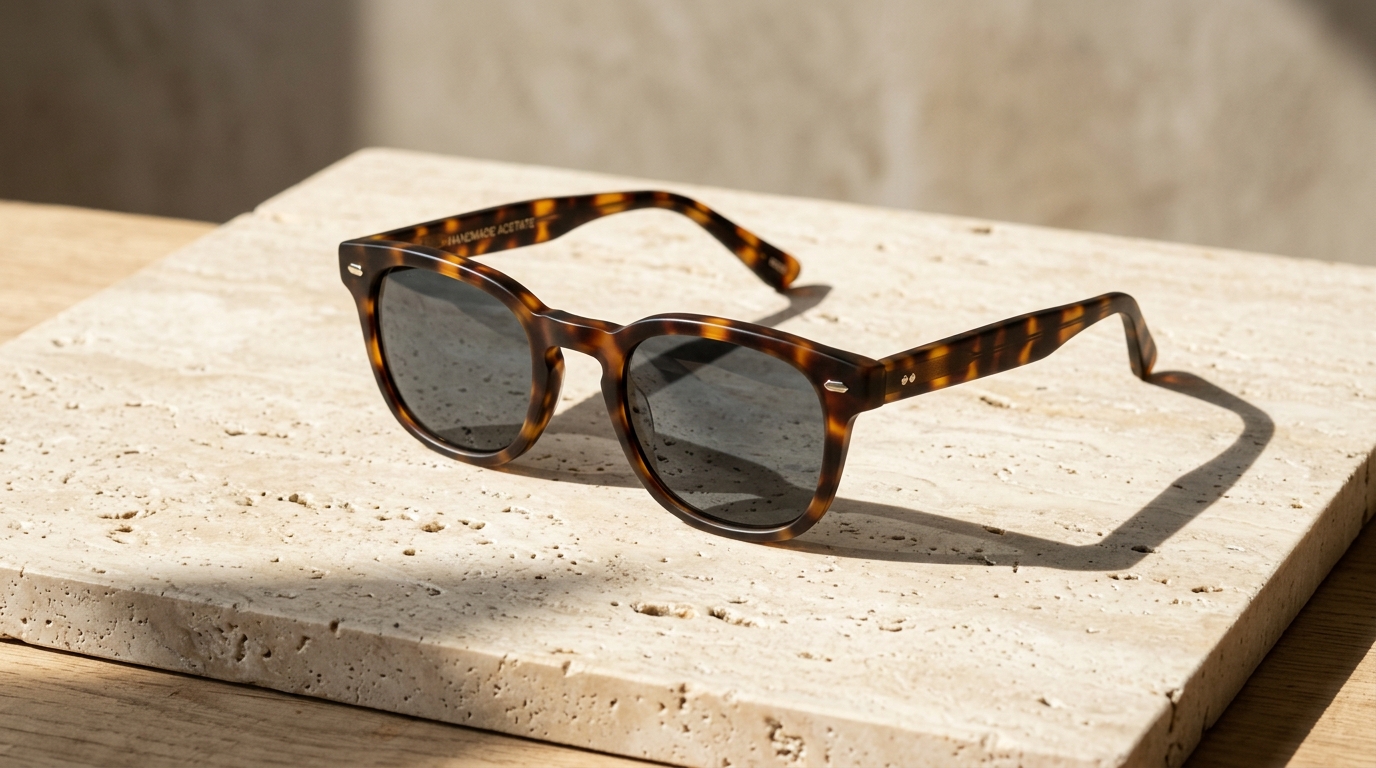
What it actually does
Here is what that actually looks like, piece by piece.
Design
It specs the frame and lens with you, not after you
Describe the frame shape, acetate or metal, and the lens type you want, and it turns that into an actual spec: material grade, lens category, coating. It flags where a spec will not actually deliver the UV protection or durability you are promising customers.
Suppliers
Know what to ask a factory before you pick one
It helps you write the frame and lens spec, decide what kind of acetate, metal frame or lens maker to shortlist, in eyewear hubs like China, Italy and Japan, and know the MOQs, lead times and test reports to ask for, so you can tell a fair quote from an inflated one. A verified eyewear supplier directory is coming soon.
Plan Mode
Tell it your budget, it builds the plan
Say what you actually have to spend, and Plan Mode lays out where it should go: frame material, lenses, coating, case and cloth, your first production run. You see the reasoning behind every line, not just a total.
Economics
You know your margin before you commit
Frame material, lens, coating, case and cloth are all modeled before you place an order. Brands in this category typically land around 75 to 85 percent gross margin, and you know your number on paper before the first frame is molded, not after.
From idea to shelf
Here is what actually happens, in order, from a frame idea to a pair you can sell.
Design
You start with a shape and a material feel, handmade acetate or lightweight metal. It turns that into an actual frame and lens spec, and flags anything that will not hold up or perform as promised.
Source
Once the spec is close to final, it helps you brief frame factories and lens suppliers with a clear spec, and tells you the realistic MOQs and lead times to expect.
Plan
Tell it what you can spend. Plan Mode turns that into a real launch budget split across frames, lenses, coating and your first production run, so you are not guessing where the money goes.
Launch
Order samples, confirm fit and lens performance, and move into your first production run with a manufacturer that has your frame spec on file.
What a first order actually costs
Say you are launching a handmade cellulose acetate sunglasses frame with Category 3 polarized TAC lenses. A first run of around 100 frames, frame, lens, case and microfiber cloth included, typically lands somewhere between $4.50 and $7.50 in landed cost per unit, depending on the acetate finish and lens coating. Brands in this category typically price that same pair between $30 and $50, which is where the 75 to 85 percent gross margin actually comes from.
Plan Mode runs this math for your specific frame and lens spec before you spend on inventory.
Ask it anything, really
These are real questions founders ask before their first batch, not a demo script.
“Difference between cellulose acetate vs TR90 memory plastic for sunglasses frames”
“How to source Category 3 polarized TAC lenses with anti-reflective coating?”
“What is the landed cost for premium eyewear with custom folding case and microfiber cloth?”
“How to set up virtual try-on and accurate sizing charts for D2C eyewear brands”
Frequently Asked Questions
Frame design is the starting point. It also helps you brief and compare frame factories and lens suppliers, builds a full launch plan around your budget in Plan Mode, and models your landed cost and margin before you commit to a full run. A verified eyewear supplier directory is coming soon.
That is exactly what Plan Mode is for. Tell it what you have to spend, and it shows you where a metal frame or a smaller first run can fit a tighter budget compared with fully custom acetate tooling.
Most first runs start around 100 frames per style. Metal frames sometimes have a lower minimum than handmade acetate, worth checking as you finalize a design.
Around 4 to 6 weeks once the frame and lens spec is locked and a sample is approved. Acetate frame production takes longer than metal due to the layering and polishing process.
Cellulose acetate gives richer color depth and a premium hand-feel but costs more and is heavier, while TR90 memory plastic is lighter and more flexible at a lower cost. The right choice depends on the price point and durability you are promising customers.
Lens categories describe how much visible light the lens blocks, with Category 3 being a common standard for everyday sunglasses that blocks 82 to 92 percent of light while staying comfortable to wear. It tells you which test reports to ask your lens supplier for, so the category on your label is verified, not assumed.
Brands in this category typically land around 75 to 85 percent gross margin at D2C pricing, once frame, lens, coating and packaging are all accounted for. The unit economics tool models this for your specific spec before you order.
Non-prescription sunglasses avoid the licensing that prescription eyewear needs, but they are still regulated. In the EU and UK they are personal protective equipment, sold with CE or UKCA marking and a lens category on the label; in the US the FDA requires impact-resistance testing. UV and lens category claims should always be accurate and backed by your supplier's test reports.
Come with a frame idea, or just a budget
Either way, you will leave with a real frame and lens spec, a clear factory brief, and a margin you can trust.