Loading Banalo Business...
Launch a candle brand without a tunneling wick.
Most first-time candle founders lose a batch to a wick that tunnels down the middle instead of burning evenly, a fragrance load that fades within an hour, and glass vessel tooling that costs more than expected. This is built to close all three before they cost you a launch date.
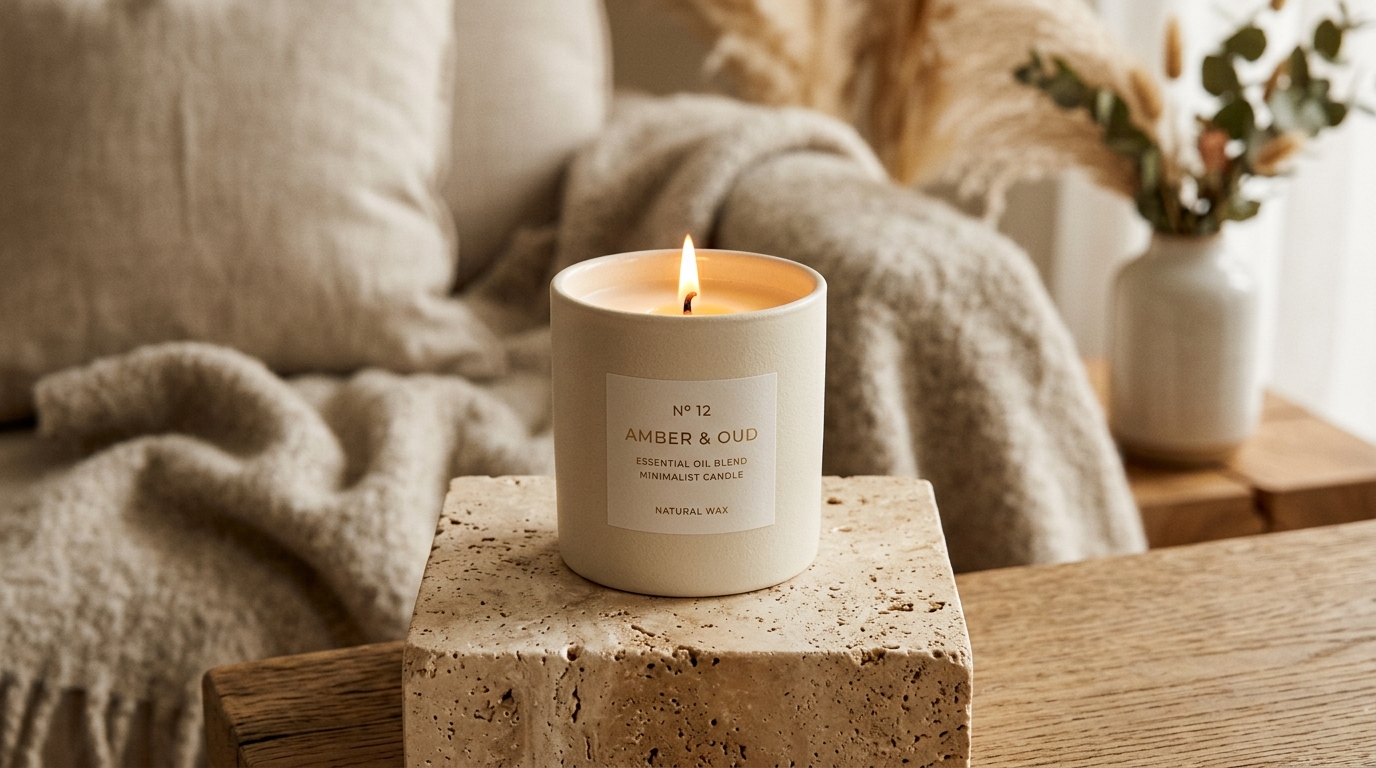
What it actually does
Here is what that actually looks like, piece by piece.
Formulation
It formulates the wax and scent throw with you
Describe the scent, the burn time, soy or coconut wax, and it proposes an actual formula: fragrance oil load, pour temperature, wick size matched to your vessel diameter. It flags tunneling and weak scent throw risks as you build it, not after a test burn fails.
Suppliers
Know what to ask a supplier before you pick one
It tells you what kind of wax, fragrance oil and glass vessel suppliers fit your candle, from manufacturing hubs in Poland, China and the US to India, with realistic MOQs and what a fair quote looks like. A verified candle supplier directory is coming soon.
Plan Mode
Tell it your budget, it builds the plan
Say what you actually have to spend, and Plan Mode lays out where it should go: wax and fragrance oil, glass vessels and lids, labeling, your first production run. You see the reasoning behind every line item, not just a total.
Economics
You know your margin before you commit
Wax, fragrance oil, wick, vessel, lid and box are all modeled before you place an order. Brands in this category typically land around 75 to 85 percent gross margin, and you know your number on paper before the first batch is poured, not after.
From idea to shelf
Here is what actually happens, in order, from a scent idea to a jar you can sell.
Formulate
You start with a scent and a mood, not a formula. It turns that into an actual fragrance oil load, pour temperature and wick size, and flags anything likely to tunnel or fade before you commit to a batch.
Source
Once the formula is close to final, it helps you shortlist the right wax, fragrance oil and glass vessel suppliers, with realistic MOQs, lead times and the questions to ask before you request quotes.
Plan
Tell it what you can spend. Plan Mode turns that into a real launch budget split across wax, vessels, labeling and your first production run, so you are not guessing where the money goes.
Launch
Run a test burn to confirm scent throw and burn time, then move into your first production run with a manufacturer that already has your formula and vessel spec on file.
What a first order actually costs
Say you are launching an 8cm diameter soy wax candle. A first run of around 100 jars, wax, fragrance oil, wick, matte glass vessel and wooden lid included, typically lands somewhere between $1.60 and $3 in landed cost per unit, depending on the vessel finish and fragrance load. Brands in this category typically price that same candle between $9 and $15, which is where the 75 to 85 percent gross margin actually comes from.
Plan Mode runs this math for your specific formula before you spend on inventory.
Ask it anything, really
These are real questions founders ask before their first batch, not a demo script.
“Optimal fragrance oil load and pour temperature for 100% Soy vs Coconut Wax”
“Choosing the right braided cotton wick size to prevent tunneling in 8cm diameter jars”
“How to formulate long-lasting reed diffusers using Augeo clean solvent bases?”
“Sourcing matte black glass vessels and wooden lids at a 100-jar minimum”
Frequently Asked Questions
The formula is the starting point. It also tells you what kind of wax, fragrance oil and glass vessel suppliers to shortlist and what to ask them, builds a full launch plan around your budget in Plan Mode, and models your landed cost and margin before you spend on inventory.
That is exactly what Plan Mode is for. Tell it what you have to spend, and it builds a launch plan across wax, vessels, labeling and your first production run, including where a standard vessel can stretch a smaller budget further than a custom one.
Most first runs in this category start around 100 jars. Vessel choice matters here: a standard vessel usually has a lower minimum than a fully custom mold.
Around 2 to 3 weeks once a formula is locked and a test burn confirms scent throw and burn quality. This is one of the fastest categories to get to market from formula to finished product.
Tunneling almost always comes down to a wick that is undersized for the vessel diameter, or a first burn that was too short to establish a full melt pool. Wick size is matched to your specific vessel and wax type before you commit to a batch, not guessed at.
Both burn cleanly and hold fragrance well, with coconut wax generally giving stronger scent throw and a smoother finish at a higher cost. The right choice depends on your price point and the scent throw you are aiming for, which the formulation step accounts for directly.
Brands in this category typically land around 75 to 85 percent gross margin at D2C pricing, once wax, fragrance oil, vessel, lid and box are all accounted for. The unit economics tool models this for your specific formula before you order.
Candles generally do not require the same cosmetic licensing as skincare, but fragrance oil safety data and basic packaging and labeling rules still apply, such as CLP hazard labeling in the EU and UK and fire-safety warning labels expected by US retailers. Your fragrance oil supplier's safety data sheet is the starting point for what your label needs.
Come with a scent in mind, or just a budget
Either way, you will leave with a real formula, a supplier shortlist brief, and a margin you can trust.